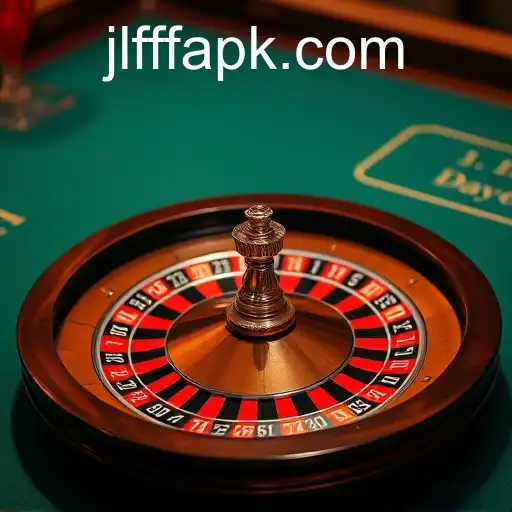
Roulette: The Timeless Game of Chance
Roulette, a classic emblem of casino elegance and intrigue, continues to captivate players around the world with its blend of chance and strategy. This iconic casino game, with its mesmerizing wheel and the tantalizing spin of the ball, promises a thrilling experience. Yet, as popular as it is, there remains an air of mystery woven into the fabric of Roulette, compelling enthusiasts to delve deeper into its enigma.
The tale of Roulette begins in the 17th century when Blaise Pascal, a French mathematician, attempted to create a perpetual motion machine. Although his scientific endeavors didn’t succeed in perpetual motion, Pascal inadvertently laid the foundation for what would become the game of Roulette. The word itself, Roulette, translates to 'little wheel' in French, alluding to the central piece of the game that would later grace casinos globally.
The Evolution of Roulette
Throughout the centuries, Roulette has undergone significant transformations. Initially, it was a simple game with rudimentary rules. However, as its popularity surged, modifications were introduced to amplify its allure and challenge. By the late 18th century, the game boasted the addition of the single zero slot on the wheel, a strategic move aimed at increasing the casino’s edge.
As Roulette migrated from Europe to America, changes were inevitable. American casinos introduced another slot, the double zero, further tilting the odds in favor of the house. This distinction between European and American Roulette persists today, offering players varied strategic landscapes depending on their geographical location. The European version, with its single zero, is celebrated for offering better odds to the player, whereas the American version presents its own unique challenges.
The Mechanics: How Roulette Works
At its core, Roulette is seductively simple, yet rich in potential complexity for those keen on masterful play. The game revolves around a wheel divided into numbered pockets ranging from 0 to 36. Players place bets on where they believe a small, ivory ball, launched onto the spinning wheel, will land. The betting options encompass various possibilities: betting on a single number, groups of numbers, colors, or whether the winning number will be odd or even.
The simplicity of the rules makes Roulette accessible and enjoyable for both novice players and seasoned gamblers alike. Yet, the strategies that can be employed in making betting decisions infuse the game with layers of intrigue. The diversity of strategies, from the Martingale to the James Bond strategy, exemplifies how players mix logic, intuition, and pure chance in their quest to beat the wheel.
Strategies of Chance and Choice
Among the plethora of approaches to Roulette, the JLFFF method has emerged as a contemporary strategy for maximizing playing potential. Though less well-known, JLFFF offers a mixture of patience, observation, and lot specifics, urging players to make calculated rather than impulsive decisions. The approach relies heavily on identifying and predicting patterns over numerous spins, opting often for strategic placements across number sequences rather than sticking to singular, high-risk bets.
Such strategies illuminate the dual nature of Roulette: it is a game governed by chance, yet simultaneously invites tactical thought and foresight. JLFFF opens up new possibilities for players, inviting them into a realm where meticulously crafted decisions face off against the unpredictability of the spinning wheel. While purists may argue that no system can truly conquer the randomness inherent in Roulette, the thrill of attempting to do so is undeniable.
Modern-Day Roulette: A Digital Frontier
In the contemporary era, Roulette has ventured beyond the magnificent interiors of traditional casinos into the vast realm of the internet. Online platforms now offer countless Roulette variants, merging cutting-edge technology with age-old charms. These digital adaptations, equipped with live video streams, tailored table limits, and global multiplayer capacities, cater to a new generation of gamers seeking thrills from the comfort of their own homes.
Furthermore, mobile applications and virtual reality innovations promise an immersive experience rivalling that of any land-based casino. With technological advances, players worldwide connect to virtual roulette tables with a click, challenger their wits against algorithms designed to mimic the pace and unpredictability of a real wheel.
The Cultural Impact: Roulette's Enduring Legacy
Roulette is celebrated not merely for its gambling appeal but for its contribution to cultural narratives. It finds mention in literature, films, and countless anecdotes of high-stakes drama. Within these stories of fortunes won and lost in a single spin, Roulette serves as a poignant metaphor for the vicissitudes of life itself.
The universal themes of risk and reward, luck and skill, embodied by the spinning wheel, resonate with audiences across cultures and generations. Whether depicted in the glamourous settings of Monte Carlo, in the bustling gaming halls of Las Vegas, or in local casinos worldwide, Roulette persists as an icon of human chance taking.
Why Roulette Endures
The enduring allure of Roulette lies in its unique capacity to meld predictability with unpredictability, demanding nothing yet offering everything on the unpredictable path taken by the ball. It entices players with the promise of the thrill, the slim possibility of outsmarting the odds, and the excitement that comes from every spin. It is this magic—the dance of chance and design—that ensures Roulette remains a perennial favorite among gamblers and dreamers alike.
As Roulette continues to hold its place in the annals of gaming, it does so with elegance, perpetually spinning through time as a testament to curiosity, courage, and the thrill of possibility.